How to Tell If You Need a Professional Gas Line Repair
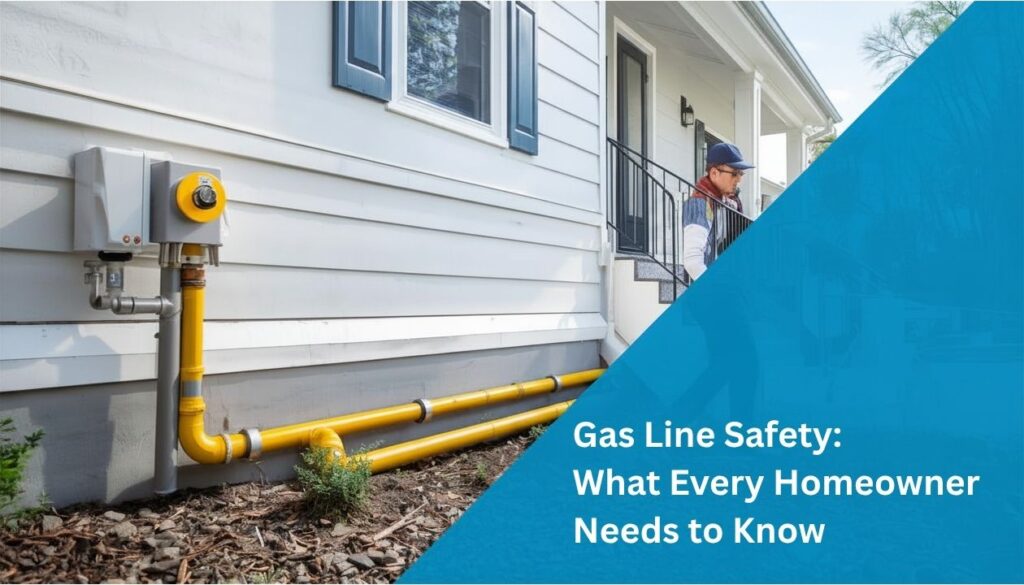
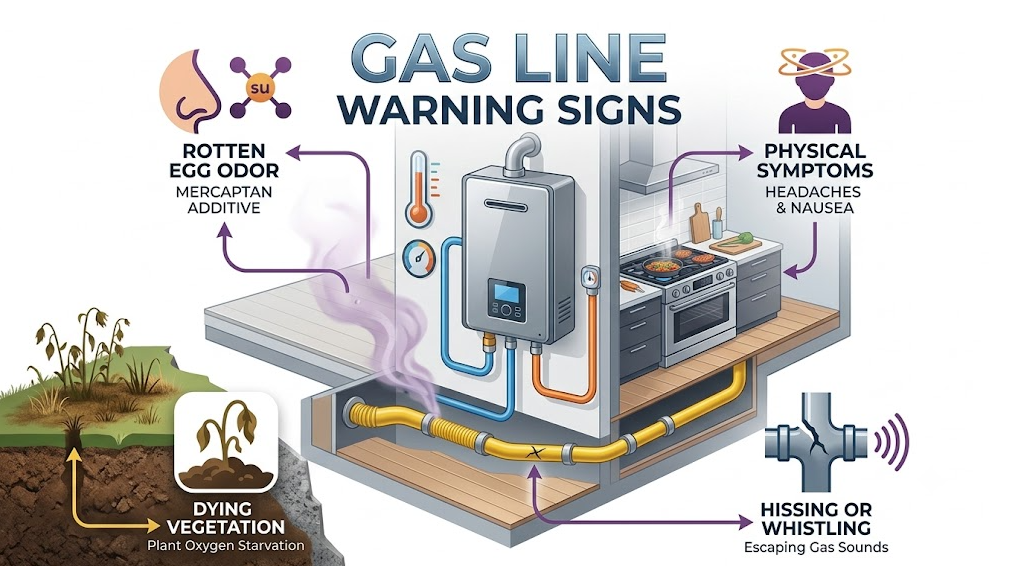
Gas lines are the unsung heroes of a modern home, quietly powering everything from your water heater to your kitchen range. But because natural gas is highly combustible, a compromised line isn’t just a minor technical inconvenience—it is an immediate threat to your property and your family’s safety. Because natural gas is naturally odorless and invisible, utility companies inject a harmless chemical called mercaptan into the lines. This gives the gas a distinct, sulfurous “rotten egg” smell that serves as your primary warning system. If you suspect an issue, knowing what to look for can mean the difference between a simple repair and a catastrophic emergency. In 2026, the residential gas infrastructure across Ocala and the broader 352 area code operates under continuous daily stress. Property lines are subjected to shifting sandy limestone soils, severe summer downpours, lightning-induced grounding currents, and localized chemical interactions that slowly attack buried pipe walls. Compounding these environmental factors is the aging state of standard black iron, galvanized steel, and early-generation flexible corrugated stainless steel tubing (CSST) systems in local neighborhoods. A home’s gas line network operates as a pressurized distribution system. Even a tiny pinhole leak or a minor joint separation can allow significant volumes of highly volatile vapor to accumulate inside enclosed walls, attics, or crawlspaces. At Chad’s Water Works, we approach gas distribution safety with analytical precision. We understand that gas line issues are rarely isolated mechanical failures; they are almost always the result of structural corrosion, improper historical installations, or pressure imbalances that require immediate, code-compliant solutions to keep your household safe. Section 1: Why the Problem is Worse Than It Looks To understand the hidden dangers of a compromised gas line, we must look at the mechanical forces that damage pipe networks over time. Unlike water lines, which show clear evidence of failure through immediate dampness or drywall staining, a small gas leak can remain completely hidden inside walls for months while steadily filling structural cavities with combustible fuel. The Physics of Pipe Failure: Corrosion, Stress, and Soil Chemistry The primary cause of subterranean gas line failure in Central Florida is localized galvanic corrosion. When bare steel or iron pipes are buried in dirt, the chemical composition of our local soil can trigger an electrochemical reaction. This reaction slowly pulls metal ions away from the pipe wall, creating tiny pits that eventually turn into pinhole leaks. Furthermore, standard home foundations experience minor settling and shifting over time. This structural movement puts high mechanical stress on the threaded joints and elbows of rigid gas piping. This stress can cause the pipe dope or Teflon sealing compounds inside the threads to crack and separate, leading to slow, continuous leaks at the connection points. Environmental Indicators: What Your Yard Is Telling You When a buried gas line leaks beneath your lawn, the gas moves upward through the soil along the path of least resistance. This movement leaves several clear clues in the landscape: Homeowner Warning: The Dangers of DIY Thread Sealants and Wraps When homeowners find a gas leak using a soap-bubble test on an exposed joint, some try to fix it temporarily using retail thread tapes, epoxy putties, or automotive pipe wraps. Our safety directive is absolute: Never attempt to patch, wrap, or seal a compromised gas line using temporary retail products. Natural gas and propane will easily dissolve or bypass temporary adhesives over time, leading to renewed leaks. Furthermore, regular iron pipes require specific heavy-wall dimensions and specialized cutting tools to handle pressure safely. Ensuring your fuel system stays safe requires professional diagnostic pressure tests and code-compliant installations. If you need assistance with gas piping systems or are planning an appliance upgrade, visit our specialized team at theGas Safety and Specialized Piping Supportpage. Section 2: The Professional Approach vs. DIY Gas piping systems sit at a critical intersection of life safety, combustion physics, and strict local building laws. Working on these lines requires specialized training and specialized equipment that go far beyond standard residential plumbing work. Retail Components vs. Commercial-Grade Infrastructure The generic pipe fittings and flexible connectors available at big-box home improvement stores are often built with thinner walls and lower-grade alloys to keep retail costs down. Our team relies exclusively on heavy-duty, professional-grade materials engineered to withstand environmental stress and chemical corrosion. Material Feature Big-Box Retail Components Chad’s Professional-Grade Standards Flexible Connectors Light-gauge brass or thin stainless steel (vulnerable to kinking and micro-fractures) Heavy-wall, polymer-coated corrugated stainless steel tubing (CSST) with advanced arc-resistant jackets Shutoff Valves Economy-grade light brass valves with synthetic internal seals Heavy-duty, full-port forged brass gas cocks built for tight, long-term seals Pipe Material Economy imported black iron pipe Domestically manufactured, high-test schedule 40 black steel or specialized yellow polyethylene pipe Joint Sealing Standard retail-grade pipe dopes Premium, chemically inert gas-rated compounds that won’t shrink or crack under high heat The Chad’s Water Works Diagnostic Sequence We never guess where a gas leak is located. Our technicians use a strict, scientific diagnostic process to find the source of the leak and verify that your complete fuel system is fully sealed and safe to operate. If during our comprehensive home safety check we discover that your utility lines or underslab plumbing systems are showing signs of age or corrosion, we provide comprehensive repair options outlined at our General Plumbing Repair and Preventive Maintenance portal. The Master Plumber’s Perspective on Life-Safety Systems “Working with gas lines leaves zero room for error. A small mistake on a water line results in a wet floor; a small mistake on a gas line can cause a catastrophic explosion or severe carbon monoxide poisoning. Professional gas fitters spend years learning how to calculate fuel loads, manage proper ventilation venting, and execute leak-free installations. When you hire a certified specialist, you are investing in the long-term safety of your family and the structural security of your home.” Section 3: The Real Cost of Waiting Ignoring minor gas line warning signs—like a faint, occasional smell near an appliance, a burner that burns yellow,
How to Tell If You Need a Professional Gas Line Repair Read More »