Social Ivy Media

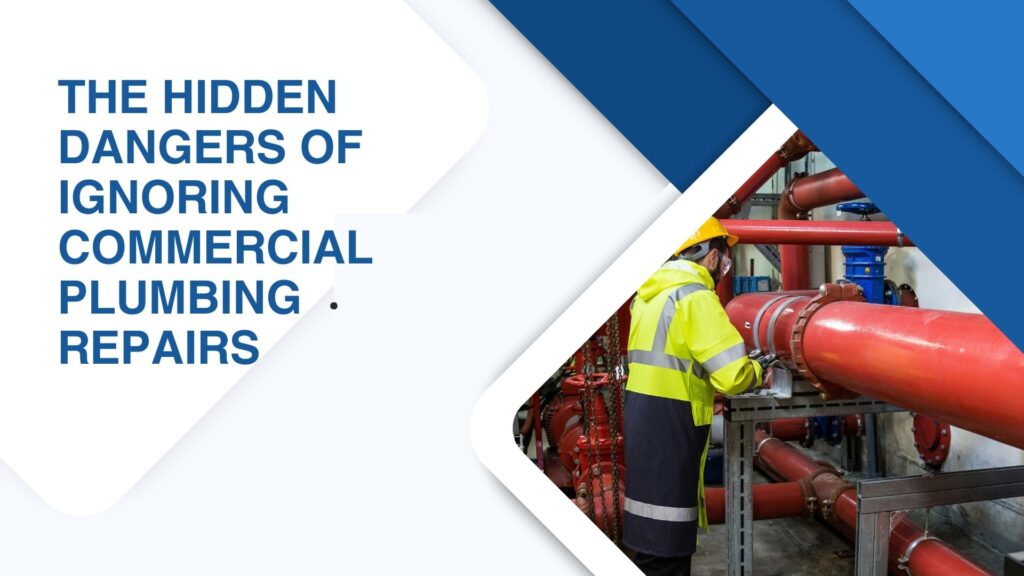
The Hidden Dangers of Ignoring Commercial Plumbing Repairs

Commercial Plumbing Repairs are often delayed because business owners focus on daily operations, customer experience, and revenue. Unfortunately, ignoring plumbing issues is one of the fastest ways to create serious financial, legal, and operational problems. What starts as a minor leak, slow drain, or inconsistent water pressure can quickly escalate into property damage, health hazards, forced shutdowns, and thousands of dollars in emergency repairs. In this guide, we uncover the hidden dangers of postponing commercial plumbing repairs and why proactive maintenance protects your business. Why Commercial Plumbing Repairs Are More Critical Than Residential Commercial Systems Operate Under Constant Stress Commercial plumbing systems handle significantly more demand than residential plumbing. Offices, restaurants, retail stores, medical facilities, and industrial spaces rely on uninterrupted water supply and waste removal throughout the day. When commercial plumbing repairs are ignored, systems experience: This makes commercial plumbing repairs far more urgent than many business owners realize. Commercial Plumbing Repairs Prevent Costly Water Damage Small Leaks Lead to Major Losses One of the most dangerous consequences of delaying commercial plumbing repairs is water damage. Even small leaks can: According to the Insurance Information Institute, water damage is one of the most expensive commercial insurance claims.External resource: https://www.iii.org/fact-statistic/facts-statistics-water-damage Timely general plumbing repair significantly reduces these risks. Health and Safety Risks from Ignored Plumbing Issues Plumbing Problems Create Health Code Violations Failing to address commercial plumbing repairs can lead to: These conditions are serious health hazards for employees and customers alike. Restaurants, healthcare facilities, and hospitality businesses are especially vulnerable to shutdowns due to health code violations. Drain Problems Escalate Faster in Commercial Buildings Why Drain Issues Are Never “Minor” Commercial drains handle grease, waste, paper products, and debris at a much higher volume than residential drains. Without routine drain cleaning, buildup causes: Ignoring early warning signs increases the likelihood of emergency closures and sanitation issues. Sewer Failures Can Shut Down Your Business Instantly Commercial Plumbing Repairs and Sewer Line Damage Sewer line problems are among the most disruptive plumbing emergencies. Cracked pipes, root intrusion, or collapsed lines can cause: Emergency sewer repair is far more expensive than scheduled maintenance or early intervention. Commercial Plumbing Repairs Protect Revenue and Operations Downtime Is More Expensive Than Repairs When plumbing fails, businesses often face: Routine commercial plumbing repairs keep systems operational and prevent unplanned downtime that directly impacts profitability. Ignoring Plumbing Repairs Increases Utility Costs Leaks Waste More Than Water Undetected leaks and failing fixtures drive up: Water heaters work harder to compensate for inefficiencies, increasing the likelihood of premature water heater replacement. The U.S. Environmental Protection Agency reports that leaks can waste thousands of gallons annually.External resource: https://www.epa.gov/watersense/fix-leak-week Water Heater Failures Disrupt Business Continuity Hot Water Is Non-Negotiable Many businesses rely on hot water for daily operations. Delaying commercial plumbing repairs related to water heaters can result in: Upgrading to tankless water heater installation during scheduled maintenance reduces downtime and improves efficiency. Gas Line Issues Create Serious Safety Risks Commercial Plumbing Repairs and Gas Systems Businesses using gas-powered equipment must treat plumbing and gas maintenance as a safety priority. Ignored gas-related plumbing issues can lead to: Routine inspection and repair of gas systems ensure compliance and protect lives. Septic System Failures Are Extremely Costly Why Septic Issues Can’t Be Delayed Commercial properties using septic systems face unique risks. Ignoring septic-related plumbing issues can cause: Preventive commercial plumbing repairs help avoid catastrophic septic failures. Commercial Plumbing Repairs Reduce Legal and Insurance Risks Liability Increases with Neglect Plumbing failures can lead to: Insurance providers may deny claims if maintenance neglect is documented. Regular commercial plumbing repairs demonstrate due diligence and reduce liability exposure. Compliance and Code Violations Cost More Than Repairs Plumbing Codes Are Strict for Businesses Commercial buildings must meet strict plumbing codes and regulatory standards. Delaying repairs can result in: Professional commercial plumbing services ensure compliance and avoid costly enforcement actions. Preventative Maintenance Saves Thousands Long-Term Planned Repairs vs Emergency Response Emergency plumbing repairs cost significantly more due to: Scheduled commercial plumbing repairs allow: This proactive approach saves businesses thousands over time. Commercial Plumbing Repairs Extend System Lifespan Small Fixes Prevent Full Replacements Ignoring small plumbing issues accelerates system wear. Routine maintenance: This delays major replacements and protects capital investments. Why Professional Commercial Plumbers Matter Experience Makes the Difference Commercial plumbing systems are complex and require specialized expertise. Professional plumbers: DIY fixes or unqualified repairs often worsen problems and increase costs. Industries Most at Risk from Ignored Plumbing Repairs High-Impact Commercial Environments Industries most vulnerable include: For these businesses, commercial plumbing repairs are essential to daily operations. Final Thoughts on Commercial Plumbing Repairs Commercial Plumbing Repairs are not optional maintenance tasks—they are essential protections against financial loss, safety hazards, and operational shutdowns. Ignoring plumbing problems allows small issues to evolve into dangerous emergencies that threaten your business’s stability and reputation. By addressing repairs early, scheduling routine maintenance, and partnering with experienced professionals, businesses can avoid hidden dangers and maintain uninterrupted operations.

The Hidden Dangers of Ignoring Commercial Plumbing Repairs Read More »
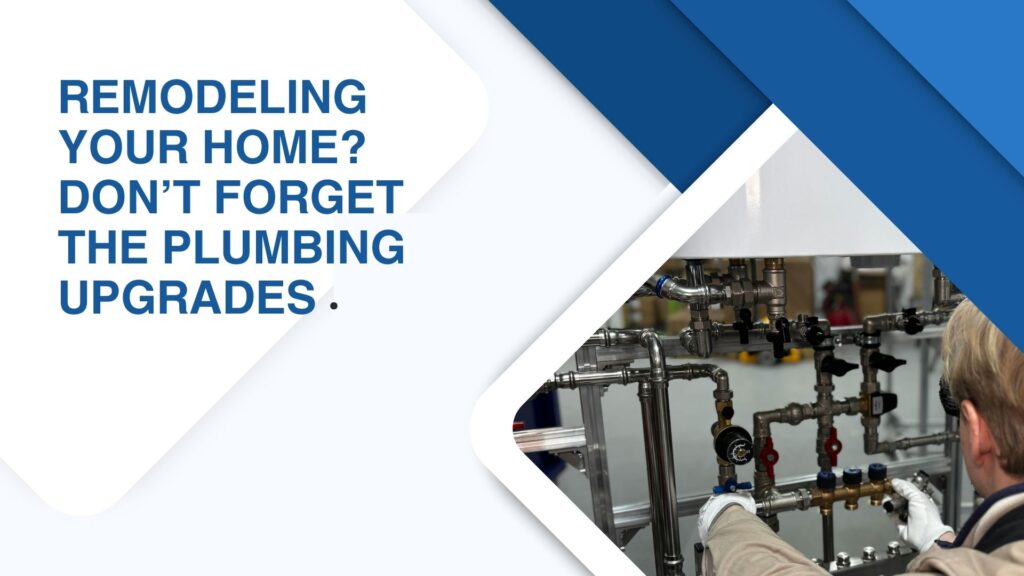
Remodeling Your Home? Don’t Forget the Plumbing Upgrades

Plumbing Upgrades for Home Remodeling are one of the most critical—yet most commonly overlooked—parts of any renovation project. Homeowners often focus on cabinets, countertops, flooring, and paint, but ignoring plumbing systems can lead to hidden problems, unexpected costs, and missed opportunities for long-term savings. Whether you’re remodeling a kitchen, bathroom, or your entire home, upgrading your plumbing infrastructure ensures your investment delivers comfort, efficiency, and reliability for years to come. Why Plumbing Upgrades for Home Remodeling Matter Remodeling Isn’t Just About What You See Behind every beautiful remodel is a network of pipes, drains, valves, and fixtures working quietly in the background. Outdated or failing plumbing can: Plumbing upgrades for home remodeling address these risks before they turn into expensive repairs. Plumbing Upgrades for Home Remodeling Improve Long-Term Value Protecting Your Renovation Investment Modern buyers and inspectors pay close attention to plumbing systems. Upgrading plumbing during a remodel: According to the National Association of Realtors, infrastructure improvements—including plumbing—rank among the highest ROI renovation investments.External resource: https://www.nar.realtor/research-and-statistics Kitchen Remodeling and Plumbing Upgrades Plumbing Upgrades for Home Remodeling in the Kitchen Kitchen remodels place heavy demand on plumbing systems. This is the ideal time to upgrade: Scheduling professional general plumbing repair during a remodel prevents future disruptions once new cabinets and countertops are installed. Drain and Sewer Considerations Old or undersized drains can cause slow drainage and backups. Proactive drain cleaning and inspections ensure new kitchens function efficiently and hygienically. In some cases, aging pipes may require sewer repair to support modern water usage demands. Bathroom Remodeling Requires Strategic Plumbing Upgrades Water Pressure, Drainage, and Fixture Performance Bathroom remodels are the most common renovation projects—and also the most plumbing-intensive. Plumbing upgrades for home remodeling in bathrooms often include: These upgrades ensure consistent water pressure and reliable drainage. Preventing Leaks Behind New Walls Bathroom leaks are especially costly because they often remain hidden. Upgrading pipes during remodeling reduces the risk of: Professional planning ensures your new bathroom performs as well as it looks. Plumbing Upgrades for Home Remodeling and Water Heaters Is Your Water Heater Ready for Increased Demand? Remodeling often increases hot water usage through: This makes remodeling the perfect time to evaluate water heater replacement options. Tankless Water Heater Installation During Remodeling Many homeowners choose tankless water heater installation during a remodel because: Tankless systems deliver endless hot water and improved energy efficiency, making them ideal for upgraded homes. External resource:https://www.energy.gov/energysaver/tankless-or-demand-type-water-heaters Plumbing Upgrades for Home Remodeling Improve Water Quality Addressing Hard Water and Mineral Buildup Remodeling is an ideal time to address hard water issues. Installing a water softener installation protects: Softened water improves efficiency and extends the lifespan of your entire plumbing system. Gas Line Plumbing Upgrades During Remodeling Safety and Performance Improvements If your remodel includes gas appliances such as: It’s essential to inspect and upgrade gas lines as needed. Proper gas line sizing and connections ensure: Plumbing Upgrades for Home Remodeling in Septic Homes Septic Systems Need Special Attention Homes with septic systems require careful plumbing planning during remodeling. Increased water usage can overload septic systems if upgrades aren’t considered. Plumbing upgrades for home remodeling may include: These upgrades protect your septic system and prevent costly failures. Residential vs Commercial Plumbing Considerations Understanding System Design Differences While most remodels fall under residential plumbing, some properties—such as home offices, rental units, or mixed-use spaces—share similarities with commercial systems. Upgrading plumbing during remodeling ensures your system meets current usage demands and future flexibility. Energy Efficiency Gains From Plumbing Upgrades Lower Bills After Remodeling Plumbing upgrades for home remodeling often reduce energy and water consumption through: These improvements lead to measurable monthly savings and improved environmental sustainability. Avoiding Costly Repairs After Remodeling Why Plumbing Upgrades Save Money Long-Term Skipping plumbing upgrades during remodeling often leads to: Addressing plumbing while walls are open is significantly cheaper than fixing problems later. Code Compliance and Inspection Readiness Remodeling Triggers Code Updates Many remodeling projects require plumbing to meet updated building codes. Plumbing upgrades for home remodeling ensure: Licensed plumbers understand local codes and help avoid costly delays. Professional Planning Makes All the Difference Why DIY Plumbing During Remodeling Is Risky Improper plumbing work can result in: Working with professionals ensures plumbing upgrades for home remodeling are done correctly the first time. How Plumbing Upgrades for Home Remodeling Future-Proof Your Home Preparing for Lifestyle Changes Upgrading plumbing during a remodel prepares your home for: Future-ready plumbing systems adapt more easily to lifestyle changes. Final Thoughts on Plumbing Upgrades for Home Remodeling Plumbing Upgrades for Home Remodeling are not optional—they are essential to protecting your renovation investment, improving efficiency, and preventing future headaches. From water heaters and drain lines to gas systems and water quality solutions, upgrading plumbing during remodeling ensures your home functions as beautifully as it looks. By planning plumbing upgrades early and working with experienced professionals, homeowners can enjoy peace of mind, long-term savings, and a home built to last.

Remodeling Your Home? Don’t Forget the Plumbing Upgrades Read More »

Benefits of a Tankless Water Heater Installation for Your Family

Tankless Water Heater Installation is quickly becoming one of the smartest home upgrades for modern families. If your household is tired of cold showers, rising energy bills, or bulky water heaters taking up valuable space, switching to a tankless system can dramatically improve comfort, efficiency, and long-term savings. In this guide, we’ll explore how tankless water heater installation works, the real benefits for families, and why more homeowners are choosing this powerful upgrade over traditional tank systems. How Tankless Water Heater Installation Works On-Demand Hot Water Technology Tankless water heater installation replaces a traditional storage tank with an on-demand heating system. Instead of storing hot water, the unit heats water instantly as it flows through the system. This means: According to the U.S. Department of Energy, tankless systems can be significantly more energy-efficient than traditional tank heaters in many households.External resource: https://www.energy.gov/energysaver/tankless-or-demand-type-water-heaters Tankless Water Heater Installation Delivers Endless Hot Water Why Families Love Unlimited Hot Water One of the biggest benefits of tankless water heater installation is continuous hot water. For families with multiple bathrooms, busy mornings, or back-to-back showers, this is a game-changer. Traditional water heaters store a limited amount of hot water. Once it’s gone, everyone waits. Tankless systems eliminate this problem entirely by heating water as needed. This benefit alone makes tankless water heater installation ideal for growing families and multi-generational homes. Energy Efficiency That Lowers Monthly Bills Tankless Water Heater Installation Reduces Energy Waste Traditional water heaters constantly reheat stored water, even when no one is using it. This standby heat loss increases energy consumption and utility costs. Tankless water heater installation: Over time, these savings can offset the higher upfront installation cost. Long-Term Cost Savings for Families Higher Upfront Cost, Greater Long-Term Value While tankless water heater installation costs more initially than traditional systems, the long-term financial benefits are substantial. Families benefit from: When replacement is needed, homeowners often compare tankless systems to traditional water heater replacement options and find tankless units offer better lifetime value. Tankless Water Heater Installation Lasts Longer Built for Durability Traditional water heaters typically last 8–12 years. Tankless systems often last 20 years or more with proper maintenance. Why? This durability makes tankless water heater installation a smart investment for families planning to stay in their home long-term. Space-Saving Design for Modern Homes Reclaim Valuable Space Tankless water heater installation frees up space because units are compact and wall-mounted. Unlike bulky tank heaters, tankless systems fit neatly in closets, garages, or utility rooms. This is especially valuable in residential homes where storage space is limited. Improved Water Quality for Your Family Cleaner, Fresher Hot Water Traditional tanks can accumulate rust and sediment over time, which affects water quality. Tankless systems do not store water, reducing the risk of contamination. For families concerned about mineral buildup, pairing tankless water heater installation with a water softener installation improves performance and extends system life. External reference:https://www.thisoldhouse.com/plumbing/21019085/how-to-maintain-a-tankless-water-heater Safer Operation and Reduced Risk Lower Risk of Leaks and Water Damage Tankless water heater installation reduces the risk of catastrophic leaks because there is no large tank storing gallons of water. This means: Avoiding water damage can also reduce the need for costly sewer repair or emergency plumbing services. Tankless Water Heater Installation Supports Busy Family Lifestyles Perfect for High-Demand Homes Tankless systems easily handle: Families with active schedules benefit from the reliability and performance tankless water heater installation provides. Gas and Electric Compatibility Options Flexible Installation Choices Tankless water heater installation is available in both electric and gas models. Homes with existing gas lines may benefit from higher-capacity gas units, while electric models work well in smaller homes or condos. A professional plumber ensures proper sizing and safe installation. Ideal for Homes on Septic Systems Reduced Water Waste Helps Septic Performance Homes using septic systems benefit from tankless water heater installation because water is heated only when needed. This efficiency helps reduce unnecessary water flow into the septic system, supporting long-term system health. Maintenance Requirements Are Simple Keeping Your Tankless System Efficient Tankless water heater installation does require routine maintenance, including: Pairing maintenance with general plumbing repair ensures optimal performance and longevity. Regular maintenance prevents mineral buildup and preserves energy efficiency. Tankless Water Heater Installation vs Traditional Systems Why Families Are Making the Switch Compared to traditional tank heaters, tankless water heater installation offers: These advantages explain why tankless systems are becoming increasingly popular in both residential and commercial properties. Environmental Benefits for Eco-Conscious Families Lower Carbon Footprint Tankless water heater installation reduces energy consumption and greenhouse gas emissions. Families looking to make environmentally responsible home upgrades often choose tankless systems for their efficiency and sustainability. Professional Installation Makes All the Difference Why Expert Installation Matters Improper installation can lead to: Professional tankless water heater installation ensures: Experienced plumbers also inspect related systems, such as drain cleaning needs, to ensure your plumbing operates smoothly. Final Thoughts on Tankless Water Heater Installation Tankless Water Heater Installation is a powerful upgrade that delivers comfort, efficiency, and long-term value for families. From endless hot water and lower energy bills to space savings and improved safety, the benefits extend far beyond convenience. For families planning to stay in their home, reduce utility costs, and enjoy reliable hot water every day, tankless water heater installation is one of the smartest plumbing investments available.

Benefits of a Tankless Water Heater Installation for Your Family Read More »

Tankless vs Traditional Water Heaters: Which One Is Best for Your Home?

Tankless vs Traditional Water Heaters is one of the most important decisions homeowners face when upgrading or replacing a water heating system. Choosing the wrong option can lead to higher energy bills, inconsistent hot water, and costly repairs—while the right choice can save money, improve comfort, and increase long-term efficiency. In this in-depth guide, we break down the real differences between tankless and traditional water heaters, how each system works, and which one makes the most sense for your household. Understanding How Water Heaters Work Traditional Water Heater Systems Explained Traditional water heaters store hot water in a large tank, typically holding 40–80 gallons. The system heats water continuously, even when no one is using it, to keep the tank ready for demand. Key characteristics: Traditional systems are common in residential properties because they are affordable and simple to install. Tankless Water Heater Systems Explained Tankless water heaters heat water on demand. Instead of storing hot water, they use powerful heating elements or gas burners to heat water instantly as it flows through the unit. Key characteristics: Many homeowners upgrade through tankless water heater installation to improve performance and long-term savings. Tankless vs Traditional Water Heaters: Efficiency Comparison Energy Efficiency of Traditional Water Heaters Traditional water heaters experience “standby heat loss,” meaning energy is wasted reheating water that cools while sitting in the tank. According to the U.S. Department of Energy, this can account for up to 20% of energy usage. External reference:https://www.energy.gov/energysaver/water-heating Energy Efficiency of Tankless Water Heaters Tankless systems only heat water when needed, making them up to 34% more energy efficient for average households. This efficiency is a major reason tankless systems are increasingly popular in modern homes and commercial properties. Cost Breakdown: Upfront vs Long-Term Savings Initial Installation Costs Traditional water heaters: Tankless water heaters: Homeowners often combine installation with general plumbing repair to optimize system performance. Long-Term Operating Costs While traditional systems cost less initially, they often: Tankless systems typically last longer and reduce monthly energy bills, balancing the higher initial investment over time. Lifespan and Durability Comparison Traditional Water Heater Lifespan Traditional tank water heaters generally last: Routine maintenance and drain cleaning help, but tank systems are still prone to failure over time. Tankless Water Heater Lifespan Tankless water heaters often last: This extended lifespan makes tankless systems attractive for long-term homeowners. Performance: Hot Water Availability Traditional Water Heater Limitations Traditional systems can run out of hot water during: Once the tank empties, recovery time can take 30–60 minutes. Tankless Water Heater Advantages Tankless systems provide: This is one of the strongest arguments in the Tankless vs Traditional Water Heaters debate. Space Requirements and Installation Flexibility Traditional Water Heater Space Needs Traditional water heaters: Tankless Water Heater Space Savings Tankless units: This is especially beneficial in properties with limited utility areas. Maintenance and Repair Considerations Maintaining Traditional Water Heaters Traditional systems require: Neglecting maintenance can lead to leaks that may require sewer repair if damage spreads. Maintaining Tankless Water Heaters Tankless systems require: Installing a water softener significantly reduces mineral buildup and extends system life. External reference:https://www.thisoldhouse.com/plumbing/21019085/how-to-maintain-a-tankless-water-heater Gas, Electric, and System Compatibility Gas Line Considerations Tankless gas units often require upgraded gas lines. Homes already using gas systems may adapt more easily, while others need modifications. Septic System Considerations Homes on septic systems benefit from tankless heaters due to reduced water waste and improved efficiency, helping protect drain fields. Environmental Impact Tankless water heaters: Traditional systems: Environmentally conscious homeowners often prefer tankless systems for sustainability reasons. Which System Is Best for Your Home? Choose Traditional Water Heaters If You: Choose Tankless Water Heaters If You: Ultimately, Tankless vs Traditional Water Heaters comes down to lifestyle, budget, and long-term goals. Professional Installation Matters Regardless of which system you choose, professional installation is critical. Improper installation can reduce efficiency, void warranties, and create safety risks. Working with licensed professionals ensures: Final Verdict: Tankless vs Traditional Water Heaters Tankless vs Traditional Water Heaters is not about which system is universally better—it’s about which system is better for your home. Traditional water heaters offer affordability and simplicity, while tankless systems deliver efficiency, longevity, and endless comfort. When installed and maintained correctly, both systems can perform reliably. The key is choosing the right solution based on household demand, infrastructure, and long-term savings.

Tankless vs Traditional Water Heaters: Which One Is Best for Your Home? Read More »

Why Regular Commercial Plumbing Maintenance Saves Businesses Thousands

For business owners, plumbing is often an “out of sight, out of mind” system—until something goes wrong. A burst pipe, sewer backup, or failed water heater can shut down operations, damage property, and result in thousands of dollars in lost revenue and emergency repairs. Regular commercial plumbing maintenance is not an expense; it is a strategic investment that protects your business, your customers, and your bottom line. This guide explains why proactive commercial plumbing maintenance saves businesses thousands of dollars each year, what it includes, and how it differs from residential plumbing care. The True Cost of Plumbing Failures in Commercial Buildings Commercial plumbing systems endure significantly higher demand than residential systems. Restaurants, offices, retail spaces, medical facilities, and multi-unit properties rely on consistent water flow and waste removal throughout the day. When plumbing fails, businesses may face: Routine commercial plumbing maintenance dramatically reduces these risks by identifying small issues before they escalate. Preventative Maintenance vs. Emergency Repairs Emergency plumbing repairs are almost always more expensive than scheduled maintenance. After-hours service calls, rush labor, and extensive damage restoration drive costs higher. In contrast, preventative maintenance allows plumbers to: Proactive general plumbing repair performed on a routine basis minimizes unexpected disruptions and budget overruns. How Regular Drain Cleaning Protects Your Business Commercial drains accumulate grease, food waste, paper products, soap residue, and debris much faster than residential drains. Left untreated, this buildup leads to slow drainage, backups, and foul odors. Scheduled drain cleaning offers: For restaurants and high-traffic facilities, routine drain maintenance alone can save thousands annually in avoided shutdowns. Sewer Line Maintenance Prevents Costly Disasters A damaged or clogged sewer line can halt business operations instantly. Sewer backups pose serious health risks and often require extensive cleanup, repairs, and inspections. Preventative sewer maintenance helps: Proactive sewer repair planning is far less expensive than emergency sewer replacement after a system failure. Water Heater Maintenance: Protecting Operations and Comfort Hot water is essential for many businesses, including restaurants, gyms, medical facilities, and hotels. A failing water heater disrupts operations and customer satisfaction. Routine maintenance helps: When systems approach end-of-life, timely water heater replacement prevents costly downtime. Many businesses also upgrade to tankless water heater installation for improved efficiency, scalability, and long-term savings. Hard Water: The Hidden Cost Multiplier Hard water accelerates scale buildup in pipes, fixtures, and appliances, increasing maintenance frequency and reducing efficiency. Over time, this leads to higher energy bills and premature equipment failure. Installing a water softener helps commercial properties: Water treatment is a long-term cost-saving strategy for many businesses. Gas Line Maintenance and Safety Compliance Commercial properties using gas-powered appliances face additional safety and compliance responsibilities. Undetected gas leaks or pressure issues pose serious safety hazards and liability risks. Routine gas inspections help: Preventative gas line maintenance reduces the risk of emergency shutdowns and costly fines. Septic System Maintenance for Commercial Properties Businesses operating on septic systems—such as restaurants, rural facilities, and multi-building campuses—require consistent monitoring to avoid system failure. Regular septic maintenance includes: Septic failures are expensive and disruptive; preventative care significantly lowers long-term costs. Commercial vs. Residential Plumbing Maintenance While residential maintenance focuses on household usage, commercial plumbing requires a different approach due to: Businesses that rely on professional commercial services benefit from tailored maintenance schedules and system-wide evaluations. While residential plumbing focuses on comfort and convenience, commercial plumbing prioritizes continuity, safety, and compliance. How Regular Maintenance Extends System Lifespan Plumbing components degrade faster under heavy use. Without routine maintenance, pipes, valves, water heaters, and sewer lines wear out prematurely. Preventative maintenance: This proactive approach results in substantial long-term savings. Reducing Insurance Claims and Liability Risks Water damage claims are among the most expensive insurance losses for commercial properties. Many insurers favor businesses that demonstrate regular system maintenance. Documented plumbing maintenance: Regular inspections and maintenance reduce both financial and legal exposure. Budget Predictability and Financial Planning Unexpected plumbing emergencies disrupt cash flow. Routine maintenance allows businesses to: Maintenance agreements help stabilize operating expenses and improve financial forecasting. Industries That Benefit Most from Regular Maintenance Commercial plumbing maintenance is especially critical for: For these businesses, plumbing reliability directly impacts revenue and reputation. Why Partnering with a Professional Plumbing Provider Matters Professional commercial plumbers provide: Partnering with an experienced provider ensures your plumbing system supports business continuity rather than threatening it. Why Businesses Trust Chad’s Water Works Chad’s Water Works delivers comprehensive plumbing solutions designed to protect commercial operations and reduce long-term costs. Our services include: We help businesses avoid emergencies, reduce downtime, and protect their investments. Final Thoughts Regular commercial plumbing maintenance is one of the smartest financial decisions a business can make. By addressing small issues early, maintaining critical systems, and partnering with a trusted plumbing professional, businesses can save thousands annually while protecting operations and reputation. Plumbing problems are inevitable—but costly emergencies are not. Preventative maintenance turns plumbing from a liability into a long-term asset.

Why Regular Commercial Plumbing Maintenance Saves Businesses Thousands Read More »

Essential Residential Plumbing Maintenance Checklist

Your home’s plumbing system works around the clock to provide clean water, remove waste, and support daily activities. Because most plumbing components are hidden behind walls or underground, problems often go unnoticed until they turn into costly emergencies. Following a consistent residential plumbing maintenance checklist helps homeowners avoid unexpected repairs, extend the life of their plumbing system, and save money over time. This comprehensive checklist covers the most important maintenance steps every homeowner should follow to keep their plumbing system running efficiently year-round. Why Residential Plumbing Maintenance Matters Routine plumbing maintenance helps: Proactive care through professional residential plumbing services is far less expensive than reactive emergency repairs. Monthly Plumbing Maintenance Tasks Check for Visible Leaks Inspect under sinks, around toilets, and near appliances for signs of moisture or corrosion. Even small leaks can lead to major damage if ignored and may require general plumbing repair if left unaddressed. Monitor Water Pressure Sudden changes in water pressure may indicate pipe issues, mineral buildup, or hidden leaks. Consistent pressure protects fixtures and appliances. Clean Faucet Aerators and Showerheads Mineral buildup restricts water flow and reduces efficiency. Cleaning aerators monthly improves performance and water quality. Quarterly Plumbing Maintenance Tasks Test Toilets for Leaks Add a few drops of food coloring to the toilet tank and wait 15 minutes. If color appears in the bowl, the flapper may need replacement. Inspect Exposed Pipes Look for corrosion, rust, or condensation on exposed pipes. Early detection helps prevent leaks and pipe failure. Check Drains for Slow Flow Slow drains often signal buildup in pipes. Professional drain cleaning prevents clogs from turning into sewer line problems. Semi-Annual Plumbing Maintenance Tasks Flush Your Water Heater Sediment buildup reduces efficiency and shortens lifespan. Flushing helps prevent premature water heater replacement and maintains consistent hot water. Inspect Washing Machine Hoses Replace rubber hoses every five years or upgrade to braided stainless steel hoses to prevent sudden failures and flooding. Check Sump Pumps and Drainage Systems Ensure sump pumps are functioning properly to prevent basement flooding during heavy rain. Annual Plumbing Maintenance Tasks Schedule a Professional Plumbing Inspection Annual inspections identify hidden issues before they become major problems. Professional general plumbing repair services ensure your system remains reliable. Sewer Line Inspection Sewer line inspections detect root intrusion, cracks, and pipe deterioration early. Proactive sewer repair reduces the risk of backups and costly emergencies. Professional Drain Cleaning Annual drain cleaning removes grease, debris, and mineral buildup that household cleaners can’t address safely. Water Heater Maintenance Checklist Water heaters are among the most expensive plumbing components to replace. Proper maintenance includes: Homeowners considering upgrades may benefit from tankless water heater installation for improved efficiency and longevity. Water Quality and Plumbing Protection Hard water accelerates mineral buildup and corrosion throughout your plumbing system. Installing a water softener helps: Gas Line and Appliance Safety Checks Gas-powered appliances require regular inspection to ensure safe operation. Professional gas services help identify leaks, pressure issues, and aging connections before they become hazardous. Septic System Maintenance Checklist Homes with septic systems require specialized maintenance: Routine septic services prevent backups, system failure, and environmental contamination. Seasonal Plumbing Maintenance Tips Winter Preparation These steps prevent frozen pipes and costly repairs. Summer Plumbing Care Summer maintenance reduces strain on plumbing systems during peak usage. How Plumbing Maintenance Differs for Commercial Properties Commercial plumbing systems experience higher usage and require more frequent maintenance. While this checklist focuses on homeowners, professional commercial plumbing services address the unique needs of businesses and multi-unit properties. Warning Signs You Should Never Ignore Even with routine maintenance, some issues require immediate professional attention: Prompt action prevents small problems from escalating into emergencies. Why Professional Maintenance Matters DIY maintenance is helpful, but professional plumbers offer: Professional service ensures your plumbing system remains safe and efficient. Why Homeowners Trust Chad’s Water Works Chad’s Water Works delivers comprehensive plumbing services designed to protect your home and prevent costly repairs. Our services include: We proudly serve homeowners with reliable, preventative plumbing solutions. Final Thoughts A consistent residential plumbing maintenance checklist is the best defense against unexpected breakdowns and costly repairs. By following these steps and partnering with a trusted plumbing professional, you can protect your home, improve efficiency, and extend the life of your plumbing system. Preventative maintenance today leads to fewer emergencies tomorrow—and greater peace of mind year-round.

Essential Residential Plumbing Maintenance Checklist Read More »

Water Quality Matters: Why Your Home Needs Filtration

Water is essential to everyday life—from drinking and cooking to bathing and cleaning. Yet many homeowners assume that if water looks clear, it must be safe and healthy. In reality, water quality issues often go unseen, silently affecting your health, plumbing system, and appliances. Installing a whole-home water filtration system is one of the most effective ways to protect your family and your plumbing. This guide explains why water quality matters, common water problems homeowners face, and how proper filtration can make a lasting difference. Understanding Your Home’s Water Quality Municipal and well water systems must meet basic safety standards, but that doesn’t mean water is free from: Over time, these contaminants can impact both your health and your plumbing infrastructure. Common Signs of Poor Water Quality Many homeowners live with water quality problems without realizing it. Warning signs include: These issues often contribute to premature plumbing wear and frequent general plumbing repair needs. How Poor Water Quality Damages Your Plumbing System Mineral Buildup in Pipes Hard water minerals accumulate inside pipes, restricting water flow and increasing pressure. Over time, this can lead to leaks and pipe failure, requiring sewer repair or other major plumbing services. Reduced Appliance Lifespan Appliances like dishwashers, washing machines, and water heaters work harder when mineral-heavy water is present. This leads to higher energy usage and more frequent water heater replacement. Increased Drain and Sewer Issues Sediment and debris carried by untreated water can accumulate in drains, increasing the need for routine drain cleaning and raising the risk of sewer backups. Health Benefits of Water Filtration Filtered water helps reduce exposure to contaminants that may cause: Clean water is especially important for households with children, elderly residents, or individuals with compromised immune systems. Types of Water Filtration Systems Whole-House Filtration Systems These systems filter water at the point of entry, ensuring clean water flows to every faucet and appliance in your home. Carbon Filtration Carbon filters remove chlorine, odors, and many chemical contaminants, improving taste and smell. Reverse Osmosis Systems Reverse osmosis systems provide high-level filtration at specific points, often used for drinking water. Water Softeners While not a filtration system, water softeners address hard water issues by removing calcium and magnesium minerals. Professional water softener installation helps protect plumbing and improve water quality. How Filtration Protects Water Heaters Water heaters are particularly vulnerable to mineral buildup. Sediment reduces efficiency, causes overheating, and shortens system lifespan. Filtration and softening reduce wear and extend the life of both traditional and tankless water heater installation systems. Residential Water Filtration Solutions Homeowners benefit from filtration systems that: Our residential plumbing services help homeowners select filtration systems based on water quality, household size, and usage patterns. Commercial Water Filtration Solutions Businesses rely on clean water for: Our commercial plumbing services provide scalable filtration solutions for offices, restaurants, and multi-unit properties. Water Quality and Septic System Health Poor water quality can strain septic systems by increasing sediment and chemical load. Regular septic services combined with proper filtration help maintain system balance and prevent premature failure. Gas Appliances and Water Quality Gas-powered water heaters and appliances rely on clean, efficient water flow to operate safely. Filtration supports optimal performance and reduces the need for emergency gas service calls related to scale buildup or corrosion. Preventative Plumbing Through Better Water Quality Water filtration is a proactive investment that reduces: Improving water quality lowers long-term maintenance costs and enhances overall system reliability. When to Consider Installing a Water Filtration System You should consider filtration if: Professional evaluation ensures the right system is selected for your needs. Why Professional Installation Matters Improper installation can reduce filtration effectiveness and cause pressure issues. Professional installation ensures: Why Homeowners Trust Chad’s Water Works Chad’s Water Works delivers complete plumbing solutions focused on long-term reliability and customer satisfaction. Our services include: We proudly serve both residential and commercial customers with expert workmanship and dependable service. Final Thoughts Water quality affects far more than taste—it impacts your health, plumbing system, appliances, and long-term costs. Installing a professional water filtration system is one of the most effective ways to improve daily living while protecting your home’s infrastructure. If you’re ready to experience cleaner, healthier water and fewer plumbing problems, professional water filtration is the solution.

Water Quality Matters: Why Your Home Needs Filtration Read More »

Cold Showers Are Out: When to Replace Your Water Heater

Few household problems are as immediately frustrating as stepping into a cold shower. Whether the hot water runs out too quickly or never heats up at all, a failing water heater can disrupt daily routines and signal larger plumbing concerns. Knowing when to replace your water heater—rather than continuing to repair it—can save you time, money, and stress. This guide explains the warning signs of a failing water heater, how long different systems last, and when replacement is the smartest option for your home or business. How Long Does a Water Heater Typically Last? Most traditional tank-style water heaters last 8 to 12 years, depending on usage, maintenance, and water quality. Tankless systems can last 15 to 20 years with proper care. If your water heater is nearing the end of its lifespan, repeated repairs may no longer be cost-effective. In these cases, professional water heater replacement offers a more reliable long-term solution. Common Signs It’s Time to Replace Your Water Heater Inconsistent or No Hot Water If hot water runs out quickly or fluctuates in temperature, the heating elements or internal components may be failing. Frequent issues often indicate the system is nearing the end of its useful life. Rusty or Discolored Water Rust-colored water coming from hot water taps may signal corrosion inside the tank. Once corrosion begins, replacement—not repair—is typically required to prevent leaks and contamination. Strange Noises Popping, banging, or rumbling noises often mean sediment buildup inside the tank. While flushing can help temporarily, severe sediment buildup reduces efficiency and accelerates wear. Water Leaks Around the Tank Moisture or pooling water near the base of the unit often indicates internal tank failure. Leaks are a clear sign that water heater replacement is necessary. Rising Energy Bills As water heaters age, they become less efficient, consuming more energy to produce hot water. Replacing an outdated unit can significantly reduce monthly utility costs. Repair vs. Replacement: How to Decide Minor issues may be resolved with general plumbing repair, especially if the unit is relatively new. However, replacement is usually the better choice when: Tank vs. Tankless: Should You Upgrade? Traditional Tank Water Heaters Tank water heaters store and heat a fixed amount of water. They’re affordable upfront but less efficient over time. Tankless Water Heaters Tankless systems heat water on demand, providing endless hot water and improved energy efficiency. Many homeowners choose tankless water heater installation when replacing aging tank systems. Benefits include: How Water Quality Affects Water Heater Lifespan Hard water accelerates sediment buildup inside water heaters, reducing efficiency and shortening lifespan. Installing a water softener helps protect your system and improve overall plumbing performance. How Other Plumbing Issues Can Impact Water Heaters Water heater performance can be affected by other plumbing problems, including: Routine drain cleaning and proactive sewer repair help maintain overall system balance and prevent unnecessary strain on your water heater. Gas vs. Electric Water Heaters Gas water heaters heat water faster but rely on safe gas line operation. If you suspect gas-related issues, professional gas services ensure safe and efficient operation. Electric water heaters offer simpler installation but may have higher operating costs depending on local electricity rates. Residential Water Heater Replacement Homeowners benefit from modern water heater upgrades that improve comfort and efficiency. Our residential plumbing services help homeowners select the right system based on: Commercial Water Heater Replacement Commercial properties require systems capable of handling higher usage volumes. Our commercial services provide scalable solutions for: Reliable hot water is essential for daily operations and compliance. Water Heaters and Septic Systems While water heaters and septic systems serve different functions, excessive hot water usage can strain septic systems. Regular septic services help ensure your wastewater system handles increased demand efficiently. Benefits of Replacing Your Water Heater Before It Fails Proactive replacement offers several advantages: Waiting until complete failure often leads to higher repair costs and inconvenience. Why Professional Installation Matters Improper installation can result in: Professional installation ensures your system operates safely and efficiently from day one. Why Homeowners Trust Chad’s Water Works Chad’s Water Works delivers dependable plumbing solutions backed by experience and expertise. Our services include: We proudly serve residential and commercial customers with fast, reliable service. Final Thoughts Cold showers aren’t just uncomfortable—they’re often a warning sign that your water heater is failing. Recognizing the signs early and choosing professional replacement can restore comfort, improve efficiency, and protect your home from unexpected damage. If your water heater is showing its age or struggling to keep up with demand, upgrading now can save you money and frustration down the road.

Cold Showers Are Out: When to Replace Your Water Heater Read More »

Sewer Line Maintenance Tips to Avoid Costly Repairs

Your sewer line is one of the most important—and most overlooked—parts of your plumbing system. It works quietly underground, carrying wastewater away from your home or business. When it’s properly maintained, you rarely think about it. But when sewer line problems arise, the results can be disruptive, expensive, and unsanitary. The good news is that many sewer line issues are preventable. With routine maintenance and early intervention, homeowners and property managers can avoid costly sewer repairs and emergency backups. This guide explains proven sewer line maintenance tips that help extend pipe life, reduce repair costs, and keep your plumbing system functioning properly. Why Sewer Line Maintenance Matters Neglecting sewer line maintenance often leads to: Professional sewer repair is far more expensive than routine maintenance. Regular upkeep allows small issues to be addressed before they escalate into major problems. Common Causes of Sewer Line Damage Understanding what damages sewer lines helps you prevent problems before they start. Tree Root Intrusion Tree roots are naturally drawn to moisture and can infiltrate sewer pipes through tiny cracks or joints. Once inside, they grow and restrict flow, eventually causing blockages or pipe fractures. Grease and Debris Buildup Pouring grease, oil, and food waste down drains leads to gradual buildup inside sewer pipes. Over time, this restricts flow and increases the risk of backups. Routine drain cleaning helps remove buildup safely. Aging Pipe Materials Older sewer lines made from clay, cast iron, or Orangeburg materials degrade over time. Corrosion, cracking, and pipe collapse are common in aging systems. Soil Shifting and Ground Movement Soil movement from weather changes, construction, or natural settling can cause sewer lines to misalign or sag, creating areas where waste accumulates. Septic System Neglect Homes with septic systems can experience sewer backups when tanks are overdue for pumping or drain fields are failing. Regular septic services are essential for system health. Top Sewer Line Maintenance Tips for Homeowners Schedule Regular Professional Drain Cleaning Routine drain cleaning removes grease, debris, and early root growth before they cause serious blockages. Annual or biannual cleaning is recommended for most homes. Address Slow Drains Immediately Slow drains are often the first warning sign of sewer line trouble. Don’t ignore them. Early general plumbing repair can prevent larger sewer issues. Be Careful What You Flush Only human waste and toilet paper should be flushed. Avoid: These materials commonly cause sewer blockages. Monitor Tree Placement Near Sewer Lines Large trees planted near sewer lines increase the risk of root intrusion. If roots are already present, professional sewer repair may be necessary to prevent recurring problems. Schedule Sewer Camera Inspections Sewer camera inspections allow plumbers to detect: Early detection reduces repair costs and prevents emergencies. How Water Quality Affects Sewer Line Health Hard water contributes to mineral buildup inside plumbing pipes, accelerating corrosion and reducing flow capacity. Installing a water softener helps protect both your sewer line and entire plumbing system. Sewer Line Maintenance for Residential Properties Homeowners benefit from: Our residential plumbing services focus on long-term system reliability and homeowner peace of mind. Sewer Line Maintenance for Commercial Properties Commercial sewer systems handle higher usage volumes and face stricter health regulations. Routine maintenance through commercial plumbing services helps businesses: Proactive care is especially important for restaurants, offices, and multi-unit buildings. When Maintenance Isn’t Enough: Signs You Need Sewer Repair Even with proper maintenance, sewer lines eventually wear out. Warning signs that maintenance alone may no longer be sufficient include: When these signs appear, professional sewer repair becomes necessary to restore system function. How Sewer Line Problems Affect Other Plumbing Systems A failing sewer line places strain on: Severe sewer backups can lead to water damage requiring water heater replacement or emergency gas service if gas appliances are affected. Septic System Maintenance and Sewer Line Health For septic-based homes, sewer line maintenance goes hand-in-hand with septic care. Regular pumping and inspection through professional septic services help prevent: Preventative Upgrades That Protect Sewer Lines Certain upgrades can improve overall plumbing health: While not directly related to sewer lines, upgrades like tankless water heater installation can modernize your plumbing system and reduce strain on connected components. Why Professional Maintenance Is Essential DIY drain cleaners and temporary fixes often do more harm than good. Professional plumbers have: Professional maintenance ensures problems are properly diagnosed and resolved. Why Homeowners Choose Chad’s Water Works Chad’s Water Works delivers reliable, long-term plumbing solutions for homeowners and businesses. Our services include: We proudly serve both residential and commercial customers with expert workmanship and dependable service. Final Thoughts Sewer line maintenance is one of the smartest investments you can make as a homeowner or property manager. By staying proactive, scheduling regular inspections, and addressing minor issues early, you can avoid costly repairs, prevent backups, and extend the life of your sewer system. If you want to protect your plumbing and avoid unexpected emergencies, professional sewer line maintenance is the key.

Sewer Line Maintenance Tips to Avoid Costly Repairs Read More »

Common Sewer Line Problems and How to Fix Them

Few plumbing issues are as disruptive—or as costly—as a sewer backup. When wastewater flows backward into your home or business, it creates serious health hazards, property damage, and urgent repair needs. Unfortunately, many homeowners don’t realize they have a sewer line problem until it turns into a full-blown emergency. This guide explains the most common sewer line problems that cause backups, how those issues are fixed, and what you can do to prevent future sewer disasters. What Is a Sewer Backup? A sewer backup occurs when wastewater cannot flow through the sewer line and reverses direction, forcing sewage back through drains, toilets, or floor drains. Unlike a localized clog, sewer backups typically affect multiple fixtures at once, signaling a problem in the main sewer line. These situations usually require professional sewer repair rather than basic household drain cleaning. Common Sewer Line Problems That Cause Backups 1. Clogged Sewer Lines Over time, debris accumulates inside sewer pipes, including: Routine drain cleaning can remove buildup before it causes a backup, but severe clogs often require more advanced solutions. 2. Tree Root Intrusion Tree roots are one of the leading causes of sewer backups. Roots seek moisture and enter sewer lines through tiny cracks or joints. As they grow, they restrict flow and eventually cause blockages or pipe damage. Once roots are inside the sewer line, professional general plumbing repair and sewer-specific treatment are necessary to fully resolve the issue. 3. Cracked or Collapsed Pipes Older sewer lines made of clay, cast iron, or Orangeburg materials are especially vulnerable to: When pipes lose structural integrity, wastewater cannot flow properly, leading to frequent backups. 4. Pipe Misalignment or Bellies Soil shifting or improper installation can cause sewer pipes to sag or misalign, creating low points where waste collects. These “bellies” trap debris and cause recurring backups. 5. Heavy Rain and Ground Saturation During periods of heavy rainfall, municipal sewer systems can become overwhelmed. Excess water pressure can force sewage back into homes—particularly those with basements or lower-level drains. 6. Septic System Failures Homes with septic systems experience sewer backups when: Routine septic services are essential to prevent backups and protect your system. Warning Signs Your Sewer Line Needs Attention Early detection can prevent major damage. Common warning signs include: If you notice any of these signs, professional sewer repair should be scheduled promptly. How Sewer Line Problems Are Diagnosed Professional plumbers use advanced diagnostic tools, including sewer camera inspections, to: Accurate diagnosis prevents unnecessary digging and ensures the right solution is applied. How Common Sewer Line Problems Are Fixed Professional Drain Cleaning For minor blockages and buildup, professional drain cleaning removes debris and restores proper flow. High-pressure water jetting is often used to clear grease and roots safely. Sewer Line Repair When pipes are cracked, corroded, or misaligned, professional sewer repair is necessary. Modern repair methods can restore pipe function without extensive excavation. Pipe Replacement In cases of severe deterioration or collapse, full pipe replacement may be required. This ensures long-term reliability and eliminates recurring backup issues. Septic System Repair and Maintenance For septic-related backups, professional septic services address tank issues, line blockages, and drain field failures to restore proper system function. How Sewer Backups Impact Other Plumbing Systems Sewer line problems can affect more than just drains. Backups can place strain on: In severe cases, homeowners may require water heater replacement or emergency gas service after sewer-related flooding. Residential vs. Commercial Sewer Backup Concerns Residential Properties Homeowners often experience backups due to aging pipes, tree roots, or poor maintenance. Our residential plumbing services focus on prevention, early detection, and fast repairs. Commercial Properties Businesses face higher usage volumes and stricter health regulations. Sewer backups can disrupt operations and cause costly downtime. Our commercial plumbing solutions are designed to keep facilities compliant and operational. Preventing Future Sewer Backups Schedule Regular Inspections Routine sewer inspections identify small problems before they escalate into emergencies. Be Careful What You Flush Avoid flushing: These materials contribute significantly to sewer blockages. Maintain Water Quality Hard water can accelerate mineral buildup in pipes. A water softener installation helps protect your plumbing system and extend pipe lifespan. Address Plumbing Issues Early A slow drain or minor backup is often a warning sign. Early general plumbing repair is far less expensive than emergency sewer work. Why Professional Sewer Repair Matters Sewer backups are not DIY problems. Professional plumbers have: Attempting temporary fixes often leads to repeated backups and higher costs. Why Homeowners Trust Chad’s Water Works Chad’s Water Works provides reliable, long-lasting plumbing solutions backed by experience and advanced technology. Our services include: We proudly serve both homeowners and commercial properties with fast, dependable service. Final Thoughts Sewer backups are more than an inconvenience—they’re a serious threat to your home, health, and finances. Understanding common sewer line problems and how they’re fixed empowers you to act before minor issues turn into major emergencies. If you’re experiencing warning signs or want to protect your plumbing system, professional sewer inspection and maintenance are the smartest next steps.

Common Sewer Line Problems and How to Fix Them Read More »