
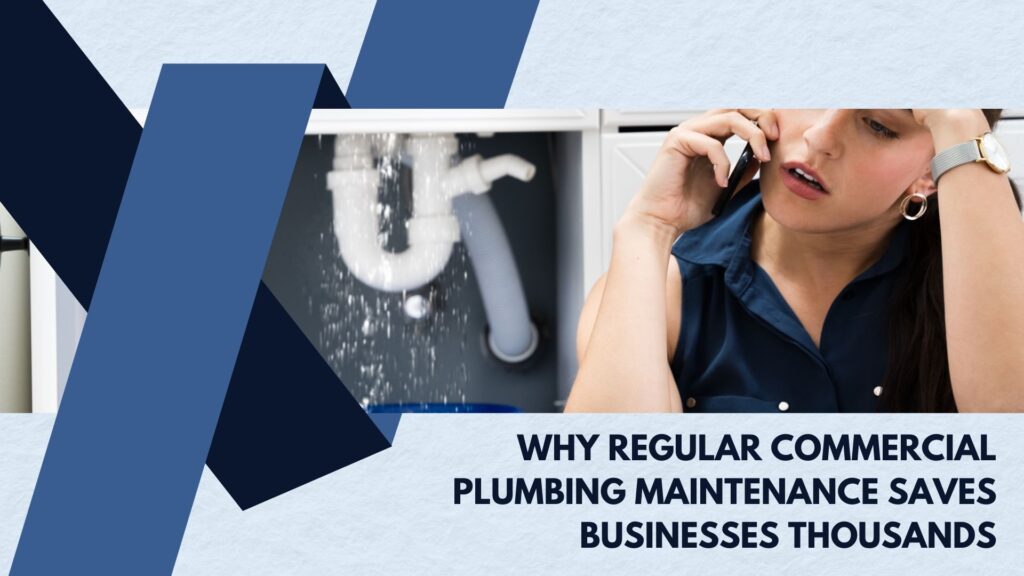

For business owners, plumbing is often an “out of sight, out of mind” system—until something goes wrong. A burst pipe, sewer backup, or failed water heater can shut down operations, damage property, and result in thousands of dollars in lost revenue and emergency repairs. Regular commercial plumbing maintenance is not an expense; it is a strategic investment that protects your business, your customers, and your bottom line.
This guide explains why proactive commercial plumbing maintenance saves businesses thousands of dollars each year, what it includes, and how it differs from residential plumbing care.
The True Cost of Plumbing Failures in Commercial Buildings
Commercial plumbing systems endure significantly higher demand than residential systems. Restaurants, offices, retail spaces, medical facilities, and multi-unit properties rely on consistent water flow and waste removal throughout the day.
When plumbing fails, businesses may face:
- Emergency repair costs
- Business downtime and lost revenue
- Property and inventory damage
- Health code violations
- Insurance claims and premium increases
- Reputational damage
Routine commercial plumbing maintenance dramatically reduces these risks by identifying small issues before they escalate.
Preventative Maintenance vs. Emergency Repairs
Emergency plumbing repairs are almost always more expensive than scheduled maintenance. After-hours service calls, rush labor, and extensive damage restoration drive costs higher.
In contrast, preventative maintenance allows plumbers to:
- Identify worn components early
- Schedule repairs during non-business hours
- Prevent catastrophic failures
- Extend system lifespan
Proactive general plumbing repair performed on a routine basis minimizes unexpected disruptions and budget overruns.
How Regular Drain Cleaning Protects Your Business
Commercial drains accumulate grease, food waste, paper products, soap residue, and debris much faster than residential drains. Left untreated, this buildup leads to slow drainage, backups, and foul odors.
Scheduled drain cleaning offers:
- Improved drainage efficiency
- Reduced risk of emergency backups
- Compliance with health and safety regulations
- Longer pipe lifespan
For restaurants and high-traffic facilities, routine drain maintenance alone can save thousands annually in avoided shutdowns.
Sewer Line Maintenance Prevents Costly Disasters
A damaged or clogged sewer line can halt business operations instantly. Sewer backups pose serious health risks and often require extensive cleanup, repairs, and inspections.
Preventative sewer maintenance helps:
- Detect root intrusion early
- Identify pipe deterioration
- Prevent backups and flooding
- Avoid major excavation costs
Proactive sewer repair planning is far less expensive than emergency sewer replacement after a system failure.
Water Heater Maintenance: Protecting Operations and Comfort
Hot water is essential for many businesses, including restaurants, gyms, medical facilities, and hotels. A failing water heater disrupts operations and customer satisfaction.
Routine maintenance helps:
- Improve energy efficiency
- Extend equipment lifespan
- Prevent unexpected breakdowns
When systems approach end-of-life, timely water heater replacement prevents costly downtime. Many businesses also upgrade to tankless water heater installation for improved efficiency, scalability, and long-term savings.
Hard Water: The Hidden Cost Multiplier
Hard water accelerates scale buildup in pipes, fixtures, and appliances, increasing maintenance frequency and reducing efficiency. Over time, this leads to higher energy bills and premature equipment failure.
Installing a water softener helps commercial properties:
- Reduce mineral buildup
- Improve water heater performance
- Extend pipe and appliance lifespan
- Lower maintenance and energy costs
Water treatment is a long-term cost-saving strategy for many businesses.
Gas Line Maintenance and Safety Compliance
Commercial properties using gas-powered appliances face additional safety and compliance responsibilities. Undetected gas leaks or pressure issues pose serious safety hazards and liability risks.
Routine gas inspections help:
- Ensure code compliance
- Identify leaks early
- Maintain appliance efficiency
- Protect employees and customers
Preventative gas line maintenance reduces the risk of emergency shutdowns and costly fines.
Septic System Maintenance for Commercial Properties
Businesses operating on septic systems—such as restaurants, rural facilities, and multi-building campuses—require consistent monitoring to avoid system failure.
Regular septic maintenance includes:
- Scheduled pumping
- Drain field inspections
- Early detection of blockages or overload
Septic failures are expensive and disruptive; preventative care significantly lowers long-term costs.
Commercial vs. Residential Plumbing Maintenance
While residential maintenance focuses on household usage, commercial plumbing requires a different approach due to:
- Higher water demand
- Larger pipe networks
- Complex system design
- Regulatory oversight
Businesses that rely on professional commercial services benefit from tailored maintenance schedules and system-wide evaluations. While residential plumbing focuses on comfort and convenience, commercial plumbing prioritizes continuity, safety, and compliance.
How Regular Maintenance Extends System Lifespan
Plumbing components degrade faster under heavy use. Without routine maintenance, pipes, valves, water heaters, and sewer lines wear out prematurely.
Preventative maintenance:
- Reduces corrosion and scale buildup
- Identifies failing components early
- Extends the usable life of plumbing systems
- Delays costly replacements
This proactive approach results in substantial long-term savings.
Reducing Insurance Claims and Liability Risks
Water damage claims are among the most expensive insurance losses for commercial properties. Many insurers favor businesses that demonstrate regular system maintenance.
Documented plumbing maintenance:
- Reduces claim frequency
- Supports lower premiums
- Protects against liability disputes
- Demonstrates due diligence
Regular inspections and maintenance reduce both financial and legal exposure.
Budget Predictability and Financial Planning
Unexpected plumbing emergencies disrupt cash flow. Routine maintenance allows businesses to:
- Budget for predictable service costs
- Avoid large, unplanned expenses
- Schedule upgrades strategically
Maintenance agreements help stabilize operating expenses and improve financial forecasting.
Industries That Benefit Most from Regular Maintenance
Commercial plumbing maintenance is especially critical for:
- Restaurants and food service facilities
- Healthcare and medical offices
- Hospitality and lodging properties
- Retail centers and shopping plazas
- Manufacturing and industrial facilities
For these businesses, plumbing reliability directly impacts revenue and reputation.
Why Partnering with a Professional Plumbing Provider Matters
Professional commercial plumbers provide:
- Advanced diagnostic tools
- Code-compliant repairs
- Industry-specific expertise
- Preventative maintenance programs
Partnering with an experienced provider ensures your plumbing system supports business continuity rather than threatening it.
Why Businesses Trust Chad’s Water Works
Chad’s Water Works delivers comprehensive plumbing solutions designed to protect commercial operations and reduce long-term costs. Our services include:
- Drain cleaning
- General plumbing repair
- Sewer repair
- Water heater replacement
- Tankless water heater installation
- Water softener installation
- Gas services
- Septic services
We help businesses avoid emergencies, reduce downtime, and protect their investments.
Final Thoughts
Regular commercial plumbing maintenance is one of the smartest financial decisions a business can make. By addressing small issues early, maintaining critical systems, and partnering with a trusted plumbing professional, businesses can save thousands annually while protecting operations and reputation.
Plumbing problems are inevitable—but costly emergencies are not. Preventative maintenance turns plumbing from a liability into a long-term asset.